
Simple Tips for a Flawless Outdoor Space Transformation
Paving your outdoor area enhances both its beauty and functionality. The process can seem daunting, but with the right steps, you can make it smooth and successful. From planning to execution, each stage of the installation plays a crucial role in the overall outcome. By following structured guidelines, you’ll ensure that your paving project is not only aesthetically pleasing but also long-lasting.
Planning Your Project
Before starting any paver installation, develop a detailed plan. Determine the purpose and function of the paved area. Will it serve as a driveway, patio, or walkway? Each use case has specific requirements regarding thickness and materials. Consider the size of the space and any existing landscape features that might affect the installation. A well-thought-out design ensures efficiency and effectiveness in the later stages.
Selecting Materials Wisely
The choice of materials significantly impacts both the durability and appearance of your paving project. Options include concrete, brick, and natural stone, each offering distinct advantages. For instance, concrete pavers are cost-effective and versatile, while natural stones provide an upscale look. Paver installation involves more than just aesthetics; consider the local climate and expected foot traffic when selecting materials.
Site Preparation Essentials
Proper site preparation lays the foundation for a successful paving project. Begin by clearing the area of debris and vegetation. Excavate to a depth suitable for your chosen material and intended use. This step often involves removing soil to allow for the base layer’s addition. Without proper site preparation, even the best materials won’t last long due to shifting or erosion.
Understanding Base Layer Importance
The base layer is critical for stability and longevity. Typically composed of crushed stone or gravel, this layer must be compacted thoroughly to prevent settling. The depth of the base depends on several factors, including soil conditions and expected load-bearing capacity. Skipping or skimping on this step can lead to uneven surfaces and potential damage over time.
Laying Down the Pavers
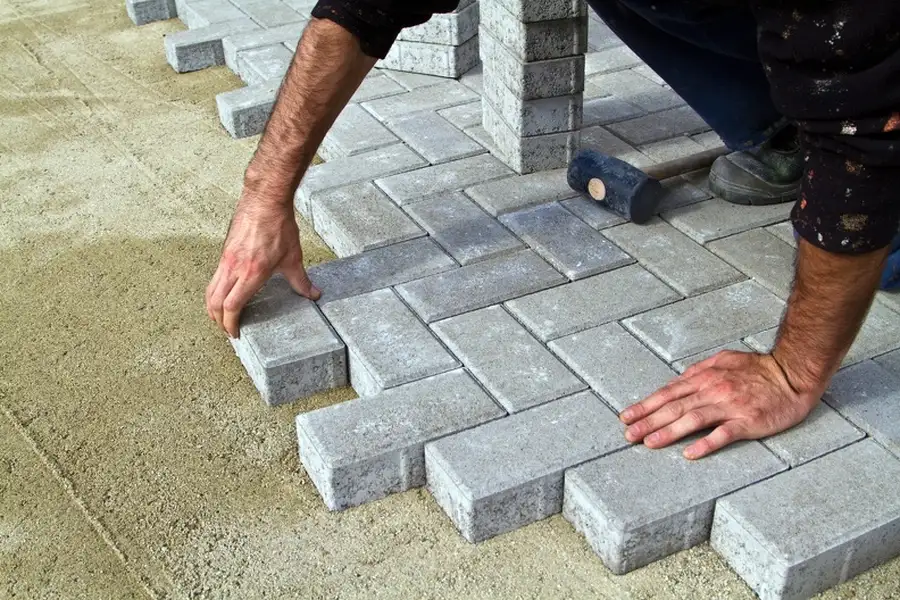
Once you’ve completed site preparation and laid a solid base, it’s time to place the pavers. Start from one corner of the area and work methodically. Use strings or chalk lines to ensure alignment and uniformity. Fit each paver snugly against its neighbors to minimize gaps. Remember that precision here will impact the project’s overall appearance and structural integrity.
- Ensure regular maintenance to prolong lifespan
- Choose quality materials based on needs
- Collaborate with experienced professionals
Finishing Touches for Perfection
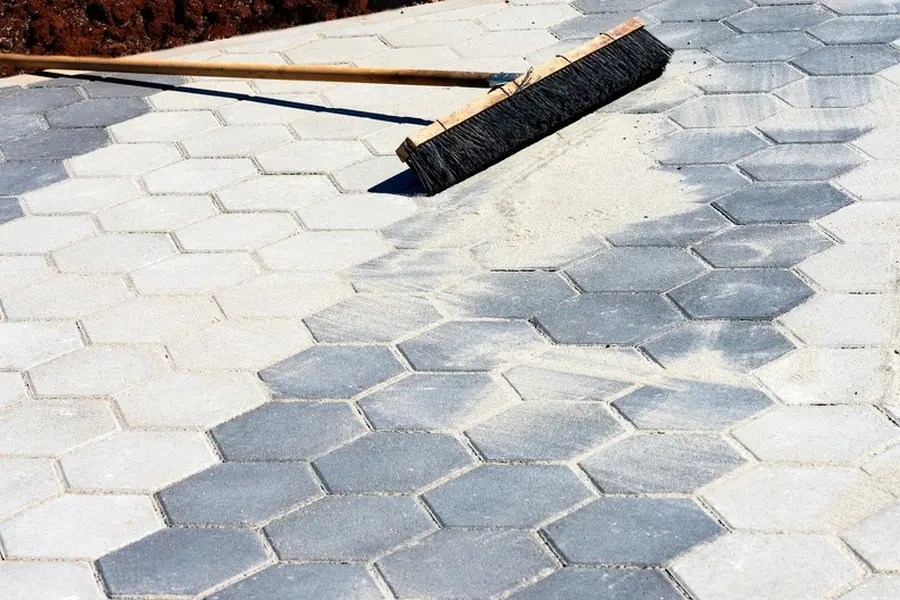
After laying all pavers, finishing touches contribute to both aesthetics and practicality. Fill joints with sand or polymeric sand to lock the pavers in place. Sweep excess sand off the surface to prevent staining. Additionally, consider sealing the entire surface to enhance color vibrancy and protect against stains or harsh weather conditions.
Regular Maintenance Practices
Your new paved area will require ongoing care to maintain its appearance and functionality. Routine tasks include sweeping away debris and periodically reapplying joint sand if needed. It’s also wise to inspect for any signs of shifting or damage after heavy rains. Timely repairs can prevent minor issues from becoming major problems.
Get Professional Assistance Today!
If you’re ready to transform your outdoor space, contact us at (781) 469-2596. Located in Lynn, MA, we offer expert guidance and services tailored to your needs. Our team at Hernandez Excavation and Hardscape Inc specializes in creating durable and beautiful outdoor environments. Let us help you achieve a seamless installation process!