The Impact of Load Pressure on Structural Stability
Retaining walls play a crucial role in preventing soil erosion and managing landscapes. These structures must withstand various pressures from the earth they hold back, as well as from external factors like water and weight from above. Understanding load pressure is essential to ensure that retaining walls are safe and effective. This knowledge helps in designing walls that can handle these forces without collapsing or shifting.

Factors Affecting Load Pressure
Several elements influence the load pressure exerted on retaining walls. Soil type is a primary factor; sandy soils behave differently than clay. The wall’s height also matters, as taller walls experience greater pressure. Water content within the soil adds another layer of complexity since wet soil exerts more force. Proper retaining wall installation ensures that these factors are carefully considered to maintain structural integrity.
Key Principles of Retaining Wall Installation
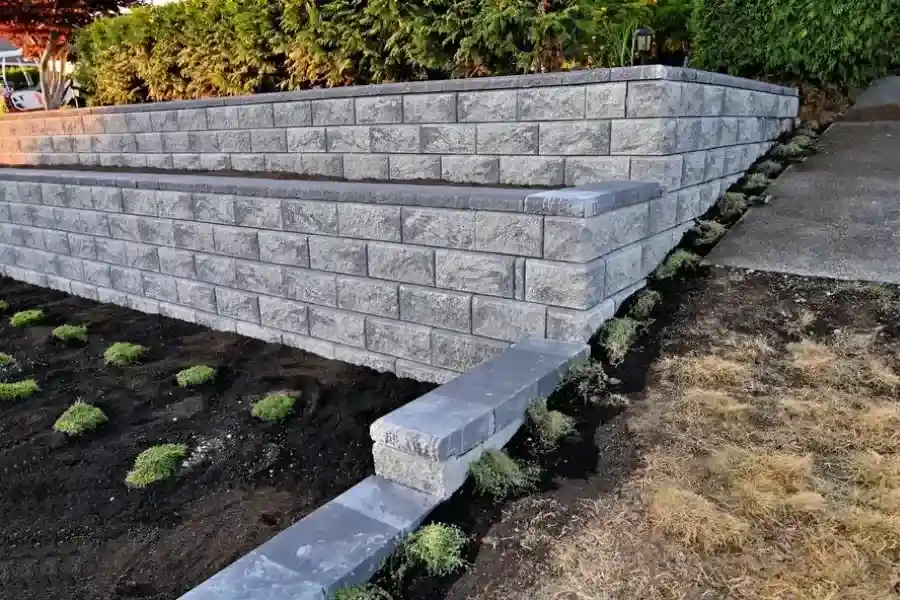
When installing a retaining wall, it’s vital to understand the materials used and their capacity to bear load pressure. Stone and concrete blocks are common choices due to their durability. The foundation is equally important, as it provides stability. A well-constructed foundation prevents the wall from leaning or failing over time. Quality installation involves careful planning, taking into account all potential forces at play.
Design Considerations for Optimal Load Management
Designing a retaining wall requires precise calculations to manage load effectively. Engineers must calculate the anticipated pressure and select appropriate materials. Incorporating drainage systems is crucial, as water buildup increases load pressure significantly. Walls should have weep holes or other drainage mechanisms to prevent excess moisture. These design elements work together to distribute the pressure evenly and keep the wall stable.
Common Challenges and Their Solutions
Retaining walls face several challenges during and after construction. One common issue is soil erosion at the base, which can undermine the wall’s stability. To combat this, proper drainage and reinforcement at the base are necessary. Another problem is wall tilting, often due to an inadequate foundation or unexpected load increase. Regular inspections help identify such issues early, allowing for timely interventions.
The Role of Drainage Systems in Retaining Walls
Effective drainage systems are indispensable in managing load pressure in retaining walls. They reduce hydrostatic pressure caused by water retention behind the wall. By directing water away, these systems help extend the lifespan of the structure. Common drainage solutions include gravel layers, perforated pipes, and geotextiles to filter out fine particles while allowing water flow.
- Perforated pipes drain excess water effectively.
- Gravel layers facilitate quick water movement.
- Geotextiles prevent soil from clogging drains.
Best Practices for Long-Term Success
To ensure longevity, follow best practices in retaining wall design and maintenance. Regular inspections are crucial for identifying signs of wear or damage early. Addressing minor issues promptly prevents them from developing into major concerns. Also, consider future landscaping plans when designing your wall to accommodate any potential changes in load conditions.
Cost Considerations for Retaining Wall Projects
The cost of building a retaining wall depends on several factors, including material selection, wall height, and site conditions. While initial expenses may seem high, investing in quality materials and skilled labor pays off in reduced maintenance costs over time. Evaluating long-term benefits against upfront costs helps in making informed decisions that align with budget constraints.
Your Partner in Reliable Retaining Wall Solutions
Count on Hernandez Excavation and Hardscape Inc for expert support in managing load pressure for retaining walls. Located in Lynn, MA, our experienced team offers comprehensive services designed to meet your specific needs. Contact us today at (781) 469-2596 to discuss how we can help you achieve durable and efficient retaining wall installations tailored to your landscape requirements.